
Hair Transplant Recovery Timeline: Day-by-Day and Month-by-Month Guide
Wondering what to expect after hair restoration? Discover the complete hair transplant recovery timeline from Day 1 scab care to Month 12 final density.
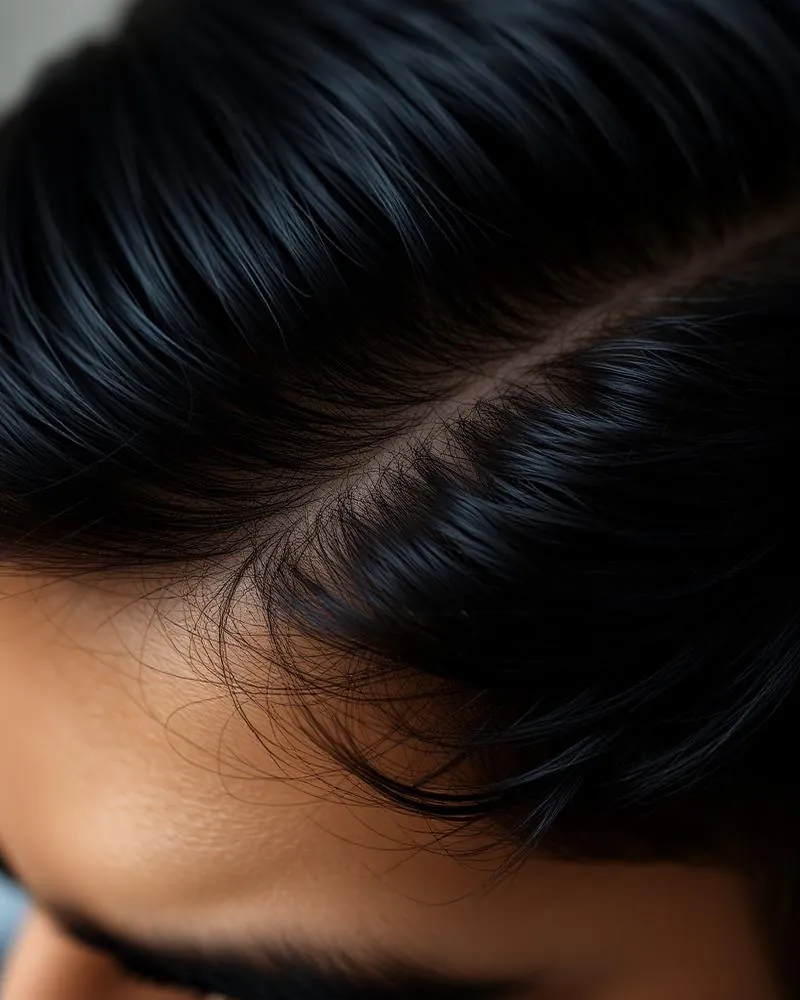
A typical hair transplant recovery timeline spans 12 to 14 months, with surface-level epidermal healing finishing within 7 to 10 days following surgery. Graft anchoring solidifies by day 8, followed by a temporary shedding phase (shock loss) between weeks 2 and 8, before permanent new follicular units begin emerging around month 4 and reaching mature density by month 12. Clinical precision during surgery and disciplined post-operative compliance directly determine graft survival rates and your final aesthetic result.
TL;DR: Quick Recovery Milestones
- Days 1–3: Graft anchoring phase; minimal touching, sleeping elevated at 45 degrees, mild forehead edema possible.
- Days 4–10: Scab formation and gentle crust removal; primary donor and recipient wound healing.
- Weeks 2–8: Shock loss phase; temporary shedding of transplanted hair shafts (normal biological response).
- Months 3–4: Early follicle reactivation; fine, wispy hair sprouts through the surface.
- Months 6–9: Significant cosmetic enhancement; noticeable thickening, darkening, and structural coverage.
- Months 10–14: Final mature density, natural hair texture integration, and complete donor area recovery.
Phase 1: Days 1 to 7 – The Critical Graft Anchoring Window
The initial week following follicular unit extraction (FUE) or follicular unit transplantation (FUT) represents the most delicate phase of your journey. During this window, newly placed follicular grafts rely purely on plasmatic circulation until microvascular revascularization forms around day 4 to 6.
Days 1 to 3: Protecting the Follicular Grafts
Immediately after leaving the surgical suite, tiny micro-incisions remain vulnerable. You will likely experience mild redness, tightness in the donor scalp, and occasional serosanguinous oozing. At our Lalghati centre, we emphasize zero contact with the recipient area for the first 48 hours.
- Sleeping Posture: Rest on your back with your head elevated at 30 to 45 degrees using a firm cervical travel pillow to curb facial swelling.
- Hydration Sprays: Spray prescribed saline solution over recipient grafts every 30 to 60 minutes while awake to prevent dehydration of the hair buds.
- Activity Limits: Avoid bending at the waist, strenuous lifting, or touching grafts with bare hands.
Days 4 to 7: First Scalp Cleansing and Edema Resolution
Forehead swelling usually peaks around day 3 or 4 before draining downward through lymphatic pathways. By day 5, micro-capillaries establish an active blood supply to each bulb.
On day 4, patients begin controlled hair washes. Dilute a prescribed, paraben-free baby shampoo in lukewarm water, foam it between your palms, and pat the foam onto the scalp with light tap movements. Never rub, scratch, or subject the recipient site to a direct high-pressure shower stream. If you are comparing clinics near me in Bhopal for personalized aftercare assistance, our nursing team provides supervised first washes to ensure total safety.
Phase 2: Days 8 to 14 – Crust Removal and Cellular Consolidation
By day 8 to 10, graft anchorage reaches tensile security. Hair bulbs are securely rooted within the subcutaneous dermal bed, significantly lowering accidental dislodgement risks.
Clearing Scabs and Crusts
Between days 9 and 12, scabbing around the puncture sites must be softened and rinsed away. Allowing dense crusts to persist beyond day 14 can restrict local tissue oxygenation and invite folliculitis.
- Apply baby oil or medical-grade lotion to the scabs for 20 minutes before bathing.
- Under a warm, low-pressure shower, use the soft pads of your fingertips (never fingernails) in gentle circular motions to encourage crusts to roll off.
- Do not pick stubborn scabs prematurely; repeat the soak-and-rinse routine daily until clear.
Both the recipient and donor areas should appear clean, pinkish, and scab-free by day 14. Non-strenuous desk work and light treadmill walking can resume comfortably.
Phase 3: Weeks 2 to 8 – Navigating the "Shock Loss" Valley
Around day 14 to week 4, almost all patients encounter an emotionally challenging but medically predictable milestone: telogen effluvium, colloquially known as "shock loss."
What Is Shock Loss?
During surgical handling, follicular units undergo metabolic disruption. In response, hair roots shift prematurely into the catagen (regression) and telogen (resting) phases. The transplanted shafts shed, leaving bare skin that can look surprisingly similar to your pre-surgery baseline.
- Is the root lost? No. The dermal papilla and germinative matrix stay safely rooted underneath the skin.
- Donor thinning: Temporary shedding can also develop in the surrounding native hairs within the donor or crown zones, clearing up on its own within 8 to 12 weeks.
- Skin symptoms: You may notice transient pimples or micro-folliculitis as new hairs start forming deep within sebaceous canals. Warm compresses handle most cases, though persistent pustules warrant clinical assessment.
During this stage, our clinical team at HT Cosmetic & Trauma Centre frequently pairs patients with regenerative modalities such as platelet-rich plasma (PRP) therapy to shorten the telogen interval. Explore our hair treatments to see how adjunct therapies accelerate follicle emergence.
Phase 4: Months 3 to 6 – The Germination and Awakening Stage
Between month 3 and month 4, the resting follicles awaken into active anagen growth.
Initial Texture and Appearance
Do not expect sudden, dense hair at this stage. The earliest hairs sprout as fine, light-pigmented, or curly strands. This variation happens because newly developed follicular canals have not yet established their final architectural trajectory through the dermis.
- Month 3: Around 10% to 20% of transplanted follicles show visible emergence.
- Month 4: Fine coverage begins outlining the reconstructed frontal hairline or temporal peaks.
- Month 6: Roughly 50% to 60% of grafts emerge. Hairs begin thickening in caliber, and surface pigmentation darkens, delivering the first visible transformation in everyday photographs.
Patients treated across Madhya Pradesh who attend their six-month clinical check-in with Dr Pankaj Peswani frequently report a significant lift in styling freedom and self-confidence at this juncture.
Phase 5: Months 7 to 12+ – Maturation, Density, and Final Results
The second half of your recovery timeline transforms fine sprouts into resilient, permanent terminal hairs.
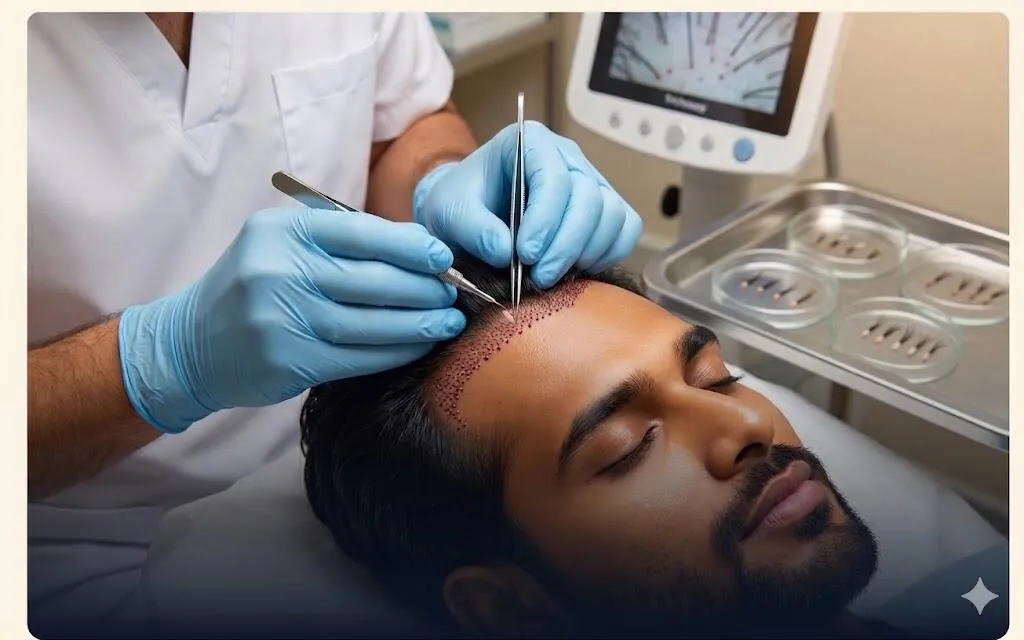
Months 7 to 9: Caliber Expansion and Density
During this window, an additional 20% to 30% of delayed grafts sprout. Simultaneously, previously emerged hairs expand in cross-sectional diameter. The overall cosmetic volume builds rapidly, delivering natural scalp coverage that easily conceals bare patches under direct lighting.
Months 10 to 14: Final Maturation
By the one-year mark, 90% to 100% of transplanted follicles are fully active and mature. The individual hair shafts soften, synchronize with the wave and texture of native strands, and can be cut, styled, or colored without restriction.
- Crown (Vertex) Timelines: Keep in mind that crown transplants evolve at a slower pace due to thicker galea tissue and lower baseline blood flow. Final density over the vertex frequently requires 14 to 16 months to peak.
Hair Transplant Recovery Timeline Comparison
| Phase | Primary Symptoms | Graft Status | Permissible Activities | Clinical Precautions |
|---|---|---|---|---|
| Days 1–3 | Edema, donor soreness, redness | Unanchored; plasmatic feeding | Resting, short indoor walks | No touching, 45° elevated sleep |
| Days 4–7 | Scalp itch, tight skin, scabbing | Vascular connections forming | Controlled pat-washing | Zero rubbing, avoid direct sun |
| Days 8–14 | Softening scabs, peeling skin | Fully anchored | Light cardio, desk work | Gently roll off crusts; no picking |
| Weeks 3–8 | Hair shaft shedding ("shock loss") | Dormant telogen phase | Gym workouts, swimming (week 4) | Avoid panic; shedding is normal |
| Months 3–5 | Fine, thin emergent hairs | Early anagen sprout | Full physical exercise | Sunscreen on bare scalp |
| Months 6–9 | Noticeable thickening and density | Intermediate maturation | Regular salon styling | Track progress with consistent photos |
| Months 10–14 | Natural texture, full density | Permanent terminal hair | All normal styling and routines | Annual maintenance checkup |
Essential Post-Operative Care Rules for Maximum Graft Survival
Achieving world-class hair transplant outcomes depends equally on surgical craftsmanship and your commitment to proper post-operative care:
- Guard Against Sun Exposure: UV radiation can cause hyperpigmentation on vulnerable, newly healed scalp skin and harm sensitive follicular matrices. Wear a loose, structured fisherman-style hat outdoors for the first 3 months.
- Avoid Nicotine and Alcohol: Nicotine acts as a potent vasoconstrictor, reducing capillary blood supply to newly placed grafts. Refrain from smoking or vaping for at least 2 weeks pre- and post-surgery.
- Postpone Heavy Workouts: Avoid heavy weight lifting, intense crossfit training, and steam saunas for 3 to 4 weeks to keep high arterial blood pressure from triggering donor bleeding or graft displacement.
- Combine Care with Dermatological Advice: For diffuse androgenetic alopecia, maintaining native hair with medical therapies like finasteride or topical minoxidil remains critical. Our aesthetic team, featuring Dr Khushboo Peswani, coordinates comprehensive plans combining scalp health and skin wellness.
When to Contact Your Surgeon Immediately
While post-operative complications remain rare when surgery is performed in sterile, certified clinical settings, reach out to your surgical team if you encounter:
- Heavy, persistent bleeding from donor or recipient sites that fails to stop after 15 minutes of gentle, constant pressure.
- Facial or orbital edema that worsens after day 5, accompanied by intense localized heat or throbbing.
- Spreading erythema (redness) accompanied by systemic fever (temperature above 100.4°F or 38°C).
- Greenish or foul-smelling purulent discharge around graft channels.
Take the First Step Toward Permanent Hair Restoration in Bhopal
Every scalp is unique, and recovery trajectories can vary based on individual metabolic health, age, donor density, and graft harvesting approach. Having your hair transplant journey planned and supervised by an experienced surgical team ensures total peace of mind at every step.
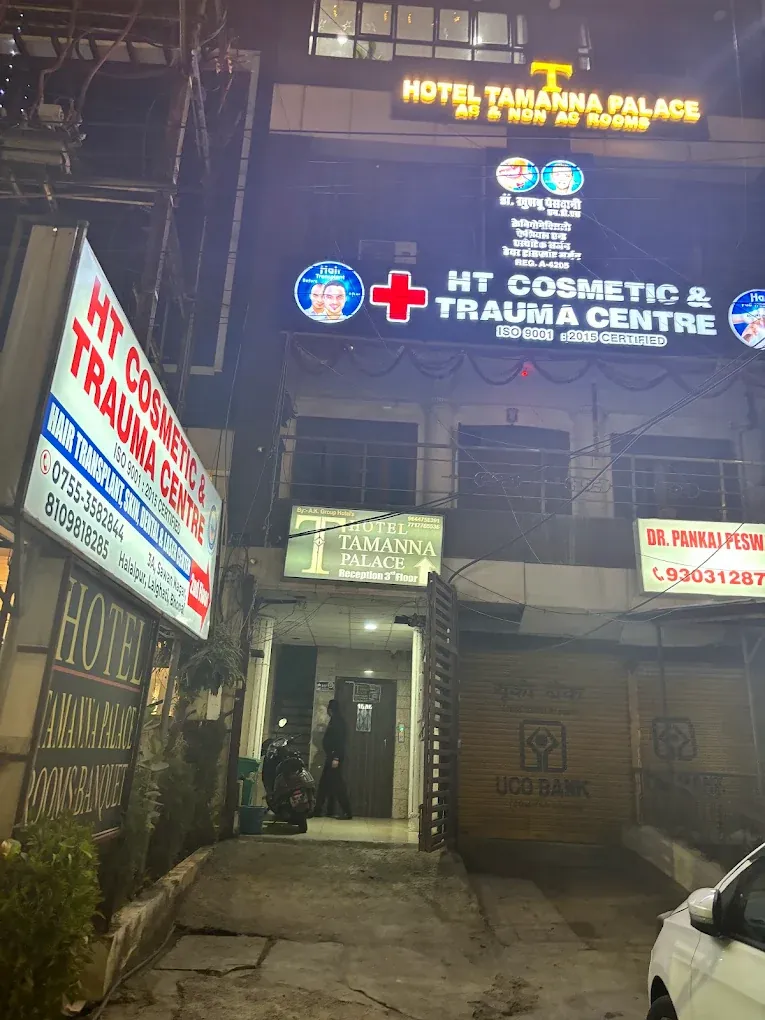
If you reside in Bhopal, Indore, or nearby regions across Madhya Pradesh, visit HT Cosmetic & Trauma Centre in Lalghati for an in-depth follicular assessment. Book your consultation today to plan a customized, predictable hair restoration journey.
Medical Disclaimer: The clinical guidance provided in this article is intended solely for educational purposes and does not replace individualized medical advice, clinical diagnosis, or formal surgical evaluation. Individual recovery schedules vary based on patient health, surgical technique, and native physiology. Always consult your treating hair transplant surgeon regarding specific post-operative medications, scalp hygiene protocols, and recovery timelines.
Frequently asked questions
How long does it take for transplanted hair grafts to become fully secure?
Transplanted follicular units are fully secure and anchored in the scalp by day 8 to 10 post-procedure. After day 10, the newly integrated tissue cannot be dislodged by normal washing, gentle rubbing, or sleeping. However, you should still avoid harsh scratching or picking at scabs until day 14.
Why is my transplanted hair falling out 3 weeks after surgery?
Shedding between weeks 2 and 8 is a normal physiological process known as shock loss or telogen effluvium. The sudden surgical shift temporarily forces the hair shaft to shed while leaving the regenerative dermal papilla safe beneath the scalp. New permanent hair growth resumes reliably around months 3 to 4.
When can I wash my hair normally under a shower after a hair transplant?
You can begin gentle cup-and-pat washing by day 4 using diluted shampoo. Direct, high-pressure shower streams should be avoided until day 14. After two full weeks, when all surface scabs have cleared and grafts are securely anchored, you can safely return to your regular shower routine.
When can I resume gym workouts and heavy weight lifting?
Light aerobic exercises such as walking are safe starting on day 7. However, strenuous weight lifting, intense cardio, hot yoga, and swimming in chlorinated pools must be avoided for at least 3 to 4 weeks to prevent elevated blood pressure from causing bleeding, inflammation, or graft damage.
When will I see the final results of my hair transplant?
Visible cosmetic growth typically starts between months 4 and 6, with approximately 70% to 80% coverage established by month 9. Final mature density, hair shaft thickness, and natural texture integration are fully realized between months 12 and 14, particularly in the crown area.
Talk to our doctors in Bhopal
Book a private consultation at HT Cosmetic & Trauma Centre, Lalghati, Bhopal — or chat with us on WhatsApp.